Plain English Guide

Concrete Finishes Explained.

There are half a dozen common finishes for a concrete driveway. They look different, cost different amounts and suit different situations. Here is a plain English run through each one, how it is done, what it is good for and rough pricing per square metre.

Cost guides below are indicative only. Every job is different. Get a quote for an accurate price.

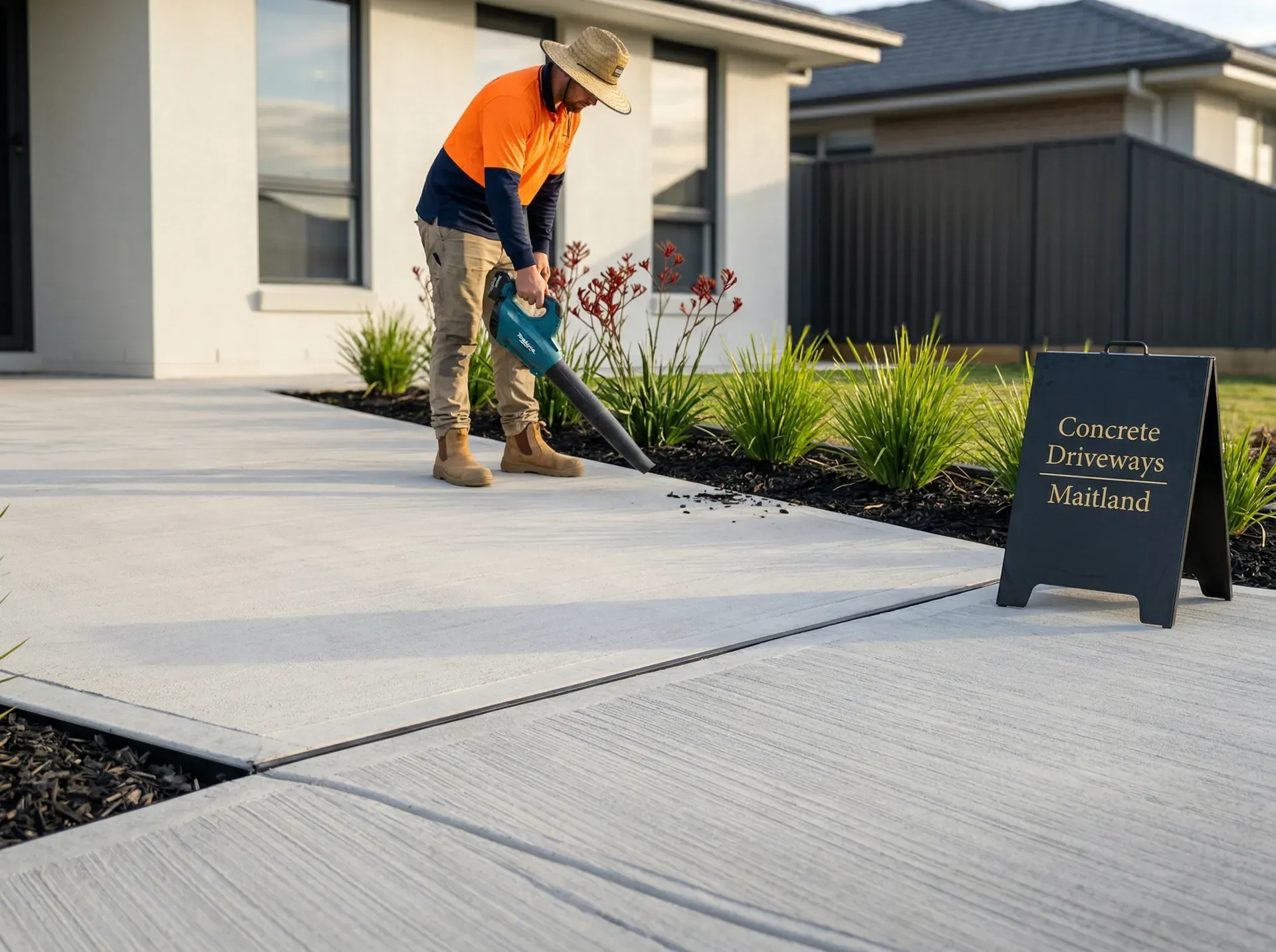
Plain broom finish concrete
Cost Guide
$60 to $90 per m2

Plain Concrete

How it is done: Standard concrete is poured, screeded flat and then finished while still green. A soft broom is dragged across the surface for a textured (non-slip) finish, or a steel trowel is used for a smoother look.

Best for: Budget driveways, paths, shed slabs and utility areas where function matters more than looks.

Pros: The cheapest way to get a real concrete driveway. Hard-wearing, low maintenance, simple to repair if damaged.

Cons: Plain grey look. Can feel industrial on the front of a house if there is no planting or landscaping to soften it.
Exposed Aggregate

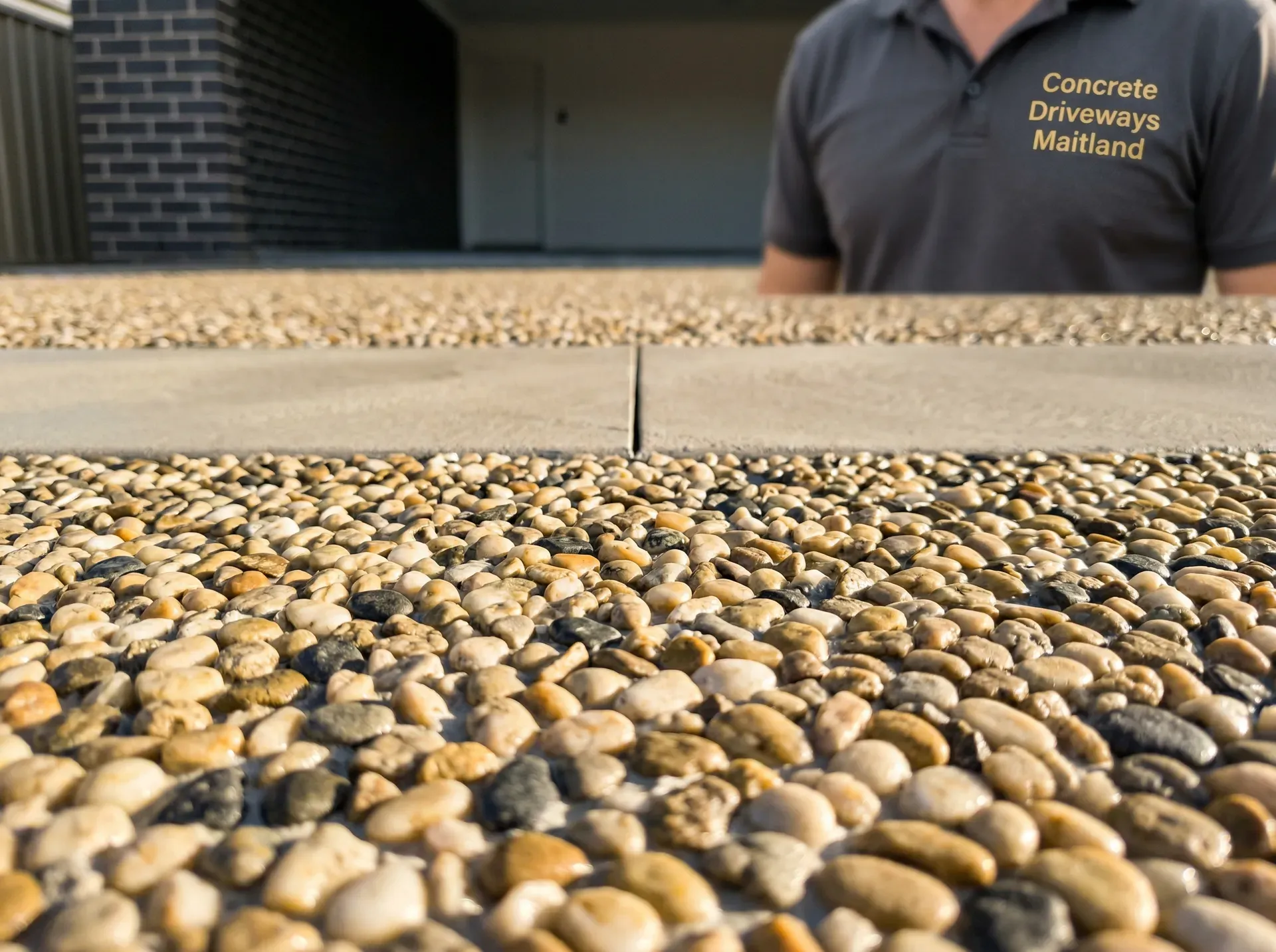
How it is done: Concrete is poured with a decorative stone mix through it. Once it starts to set, the top layer of mortar is washed away with water and a surface retarder, revealing the stones embedded in the slab.

Best for: Premium driveways, modern homes, slopes and pool surrounds where you want grip underfoot.

Pros: Premium aesthetic with real visual depth. Excellent grip, even when wet. Hides minor stains and tyre marks better than plain concrete.

Cons: More expensive than plain. The texture can be rough on bare feet around pools. Spills can be harder to clean out of the stone pockets.

Exposed aggregate close-up
Cost Guide
$100 to $150 per m2
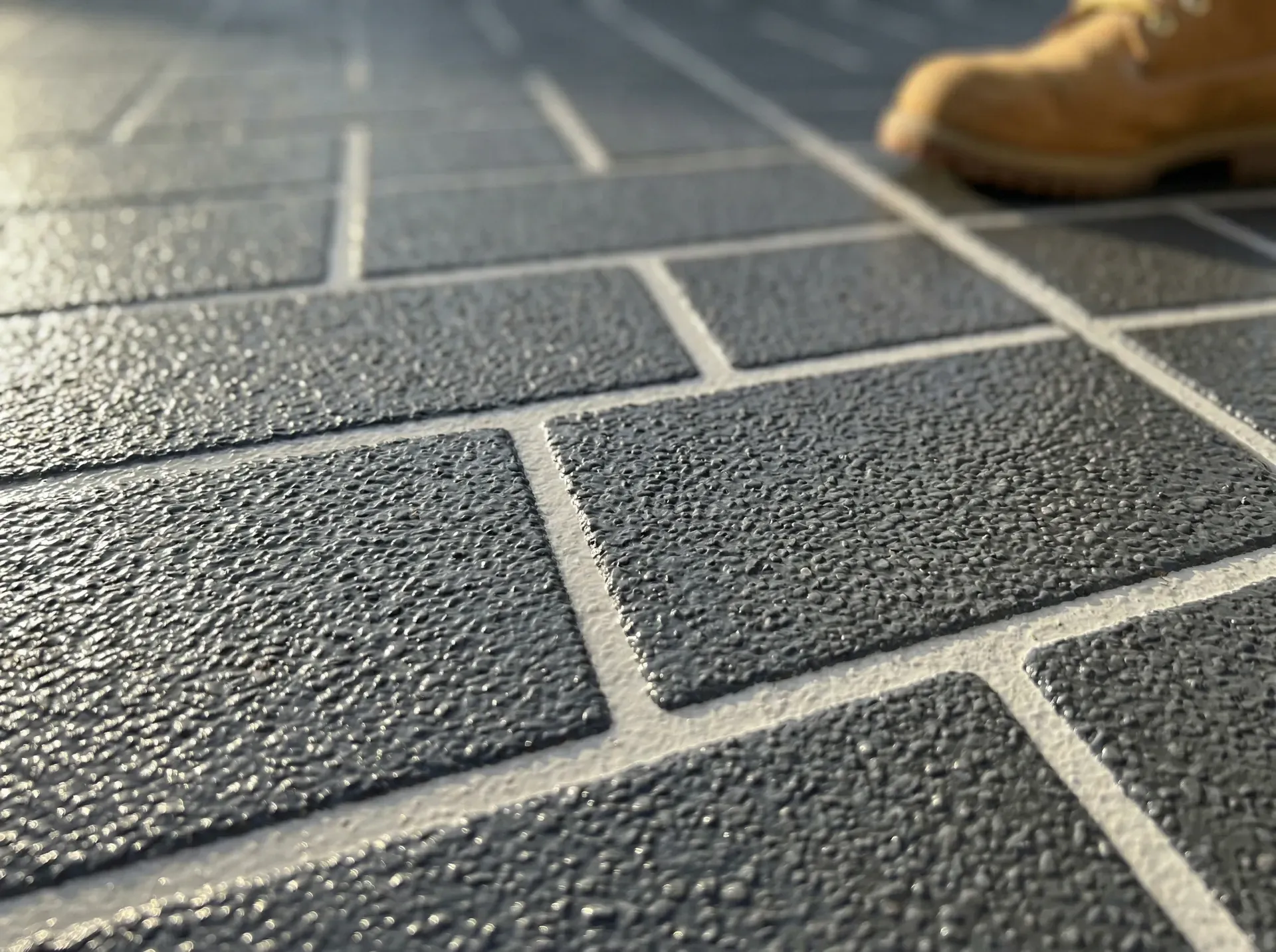
Stencil concrete pattern
Cost Guide
$110 to $160 per m2

Stencil Concrete

How it is done: Paper stencils printed with a pattern (brick, slate, cobblestone and more) are rolled onto the fresh concrete. A colour hardener is applied over the top, then the stencils are peeled away, leaving raised grout lines in the natural concrete colour and the pattern in the coloured concrete.

Best for: Driveways and paths where you want a brick or stone look without paying paver prices.

Pros: Decorative, plenty of pattern and colour combinations, no weeds growing between joints like real pavers, cheaper than pavers.

Cons: The pattern and colour will fade over years of sun exposure. Needs resealing every few years to keep looking its best.

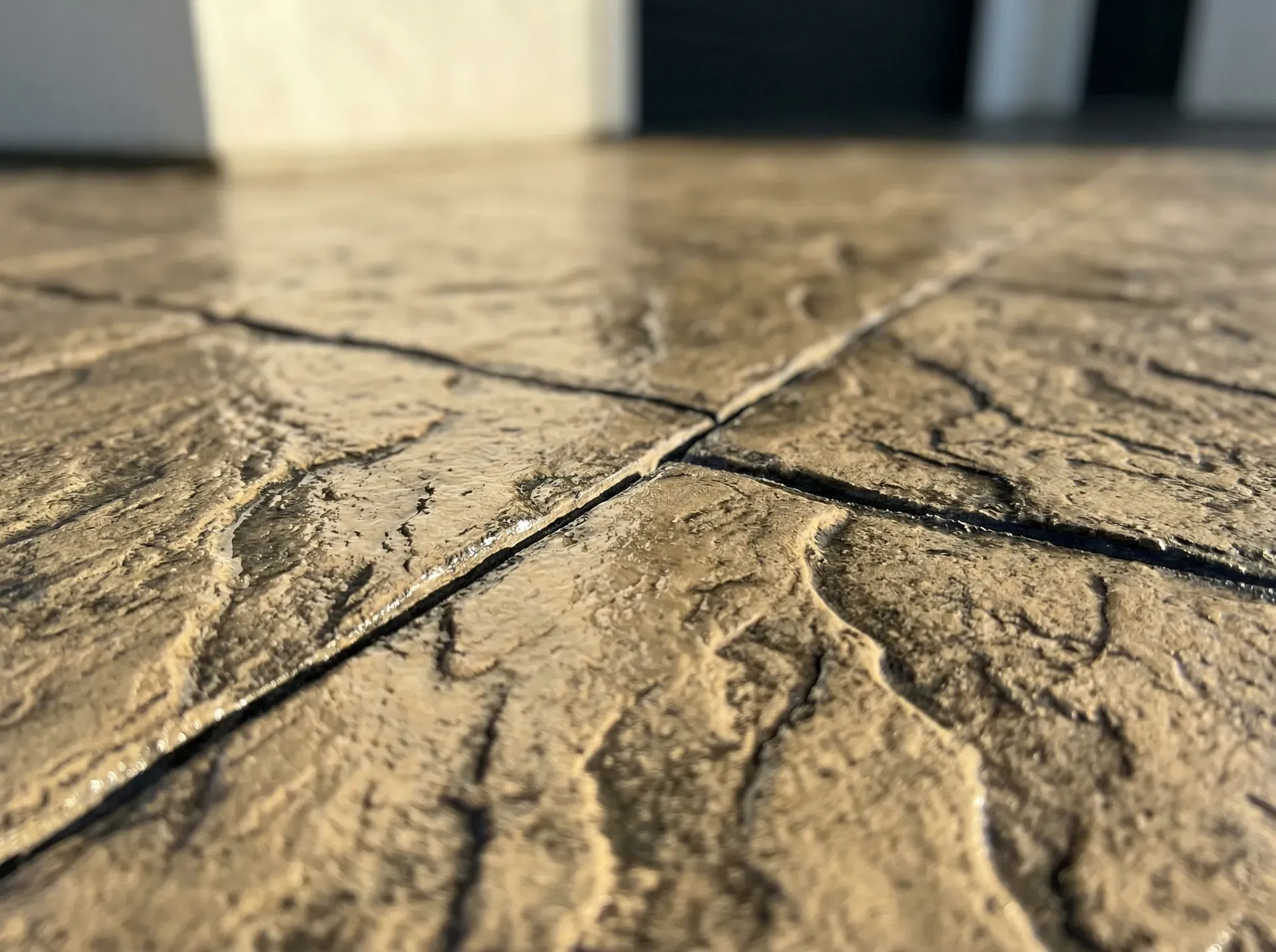
Stamped Concrete

How it is done: Rubber stamps textured like stone, slate, timber or tile are pressed into the fresh concrete before it sets, leaving both a pattern and a realistic surface texture. Colour is added with hardeners and release agents.

Best for: Patios, pool surrounds, alfresco areas and driveways where you want a high-end stone or slate look.

Pros: Beautiful, realistic textures that are hard to tell apart from real stone. Durable once cured.

Cons: Requires a skilled finisher, so not every concreter offers it. Repairs can be visible because it is hard to match the original stamp work exactly.

Stamped concrete pattern
Cost Guide
$120 to $180 per m2
Coloured concrete
Cost Guide
$80 to $120 per m2

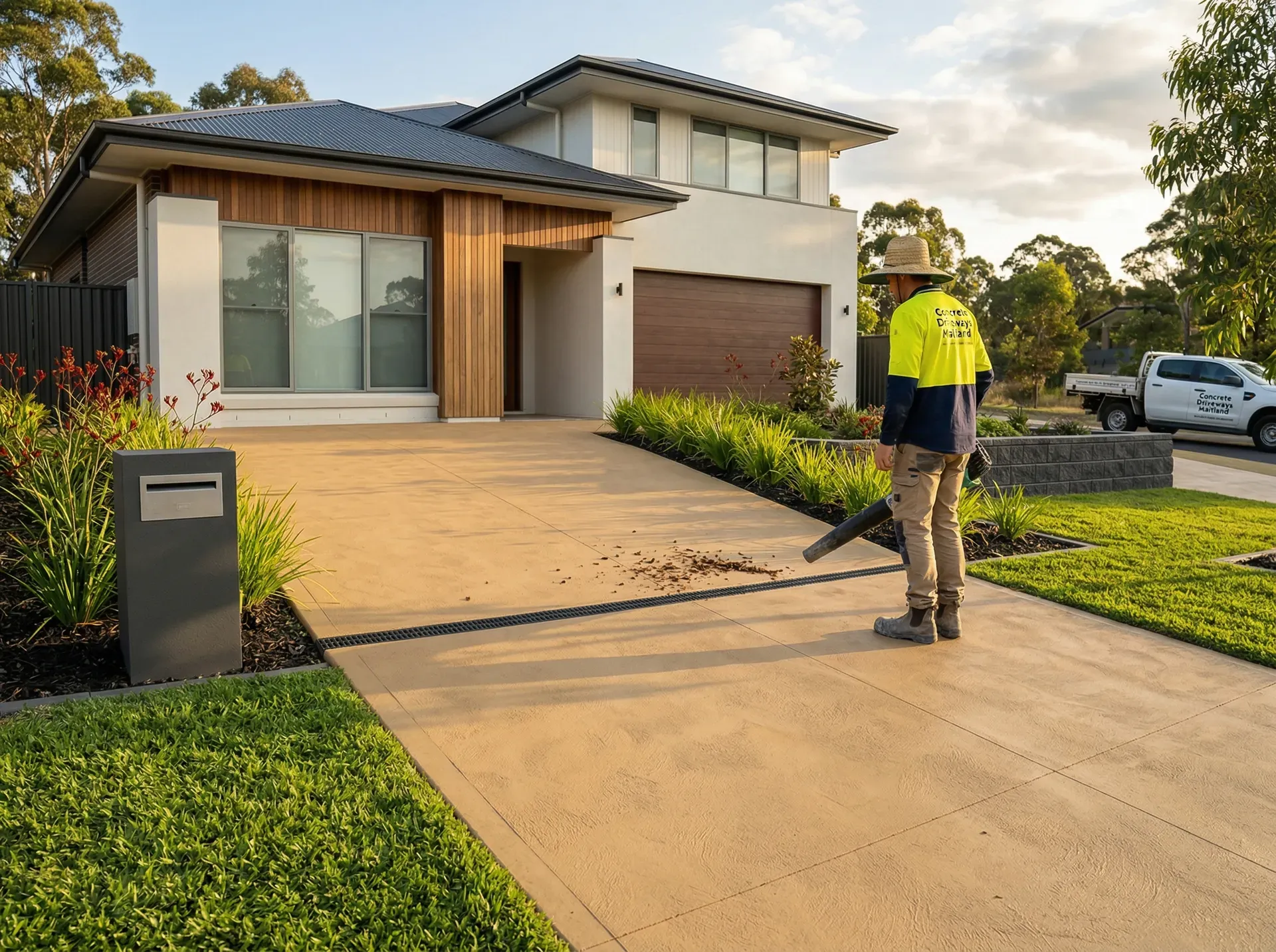
Coloured Concrete

How it is done: Oxide pigments are added to the concrete mix before it is poured (known as integral colour), so the colour runs through the entire depth of the slab. Surface-applied colour is also possible but less durable.

Best for: Matching the colour of your home, rendered walls or roof tiles. Warm earthy tones suit Australian houses well.

Pros: Colour runs full depth so it will not wear off. Plenty of earthy tones to choose from. Can be combined with a broom, trowel or honed finish.

Cons: Smaller colour range than stencil. Batch to batch colour variation is possible, so larger jobs need careful mix control.

Polished Concrete

How it is done: Cured concrete is mechanically ground with progressively finer diamond pads until it has a smooth, reflective surface. Can be honed (matte) or fully polished (gloss).

Best for: Indoor floors, garages, workshops and modern interior living spaces. Not a typical driveway finish.

Pros: Stunning finished look, extremely durable, low maintenance, easy to clean.

Cons: Usually an indoor finish only. Slippery when wet, so not ideal for driveways or outdoor patios without slip treatment.

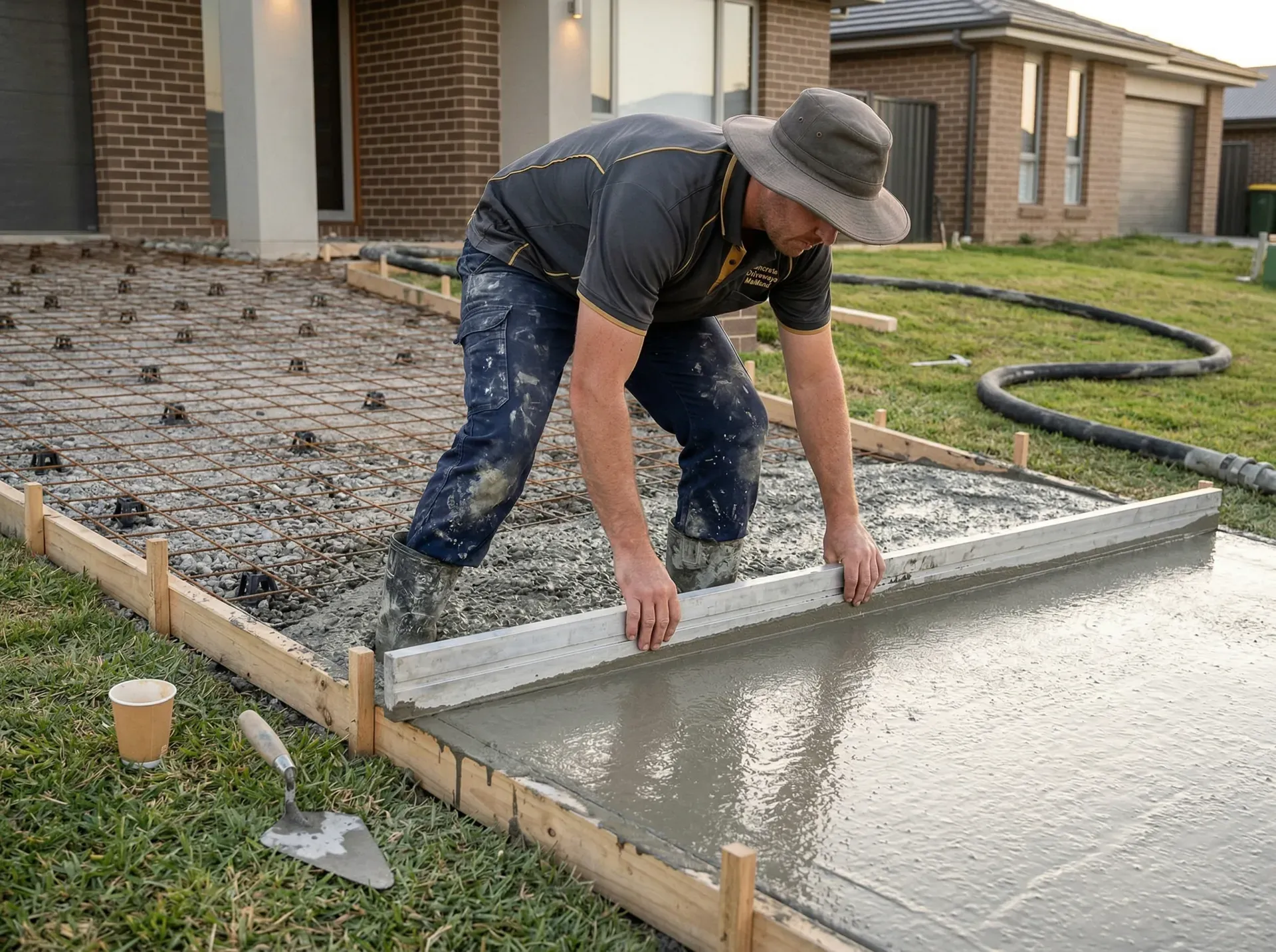
Concreter screeding concrete
Cost Guide
Varies, quote required

How to choose a finish.

Start with your budget

Plain concrete is the cheapest. Coloured is next. Stencil and exposed aggregate sit in the middle to upper range. Stamped is typically the most expensive. Work out what you can spend on the area and start there.

Think about the look

Modern homes often pair well with exposed aggregate or coloured concrete. Traditional homes can suit stencil or stamped brick patterns. Plain concrete works everywhere if the rest of the yard is doing the visual work.

Consider slip resistance

Sloped driveways, wet areas and pool surrounds need grip. Exposed aggregate, broom-finished plain and textured stamped are good choices. Polished and smooth trowel finishes are best kept indoors.

Factor in maintenance

Stencil and stamped finishes need resealing every few years to keep their colour. Plain and coloured concrete are the lowest maintenance. Exposed aggregate sits in the middle.

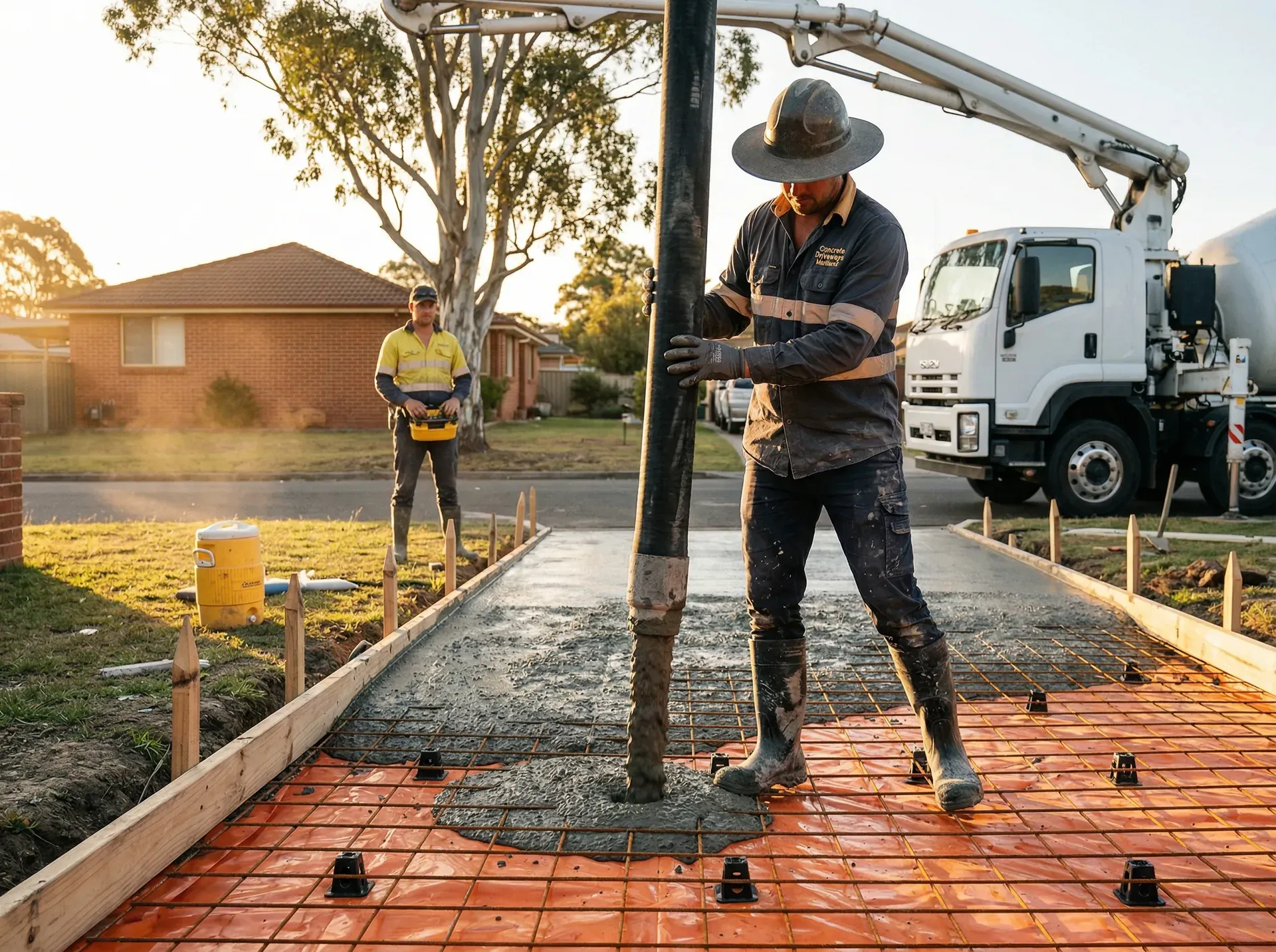
Concrete pour in progress

What goes into a good driveway.

The finish on top is what you see, but the rest of the slab is what makes it last. A few things to know before you compare quotes.

straighten

Thickness

A residential driveway should be 100mm thick. Commercial or heavy vehicle driveways are 150mm. Anything less is a corner cut.

grid_4x4

Reinforcement

F62 mesh is the standard for residential driveways. It sits in the middle of the slab and holds everything together if the ground moves.

schedule

Cure time

You can walk on the slab after 24 hours, drive on it after 7 days, but the concrete does not reach full strength until 28 days. Treat it carefully in the first month.

foundation

Sub-base prep

The slab is only as good as what it sits on. Compacted road base, proper fall for drainage and the right formwork all matter more than the finish on top.

Ready to pick a finish?

Tell us what you are leaning towards and we will come out, confirm what suits the site and quote it properly.

Get a Free Quote